  • About
  • Books
  • Publications
  • Medias
  • FAQ
  • Contact
  • fr
  • fr
Antonio Zadra
SLEEP SCIENTIST, ONEIRONAUT, AUTHOR
  • About
  • Books
  • Publications
  • Medias
  • FAQ
  • Contact
Image
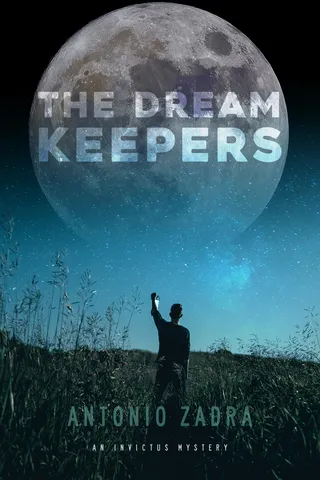
Couverture du livre "The Dream Keepers"

“A brilliant and mind-bending debut that interweaves both the science and the mythology of dreams in a tale that is inventive, original, and utterly spellbinding. The Dreamkeepers will change how you view your own nocturnal dreams, and the figures that inhabit them.”
Image
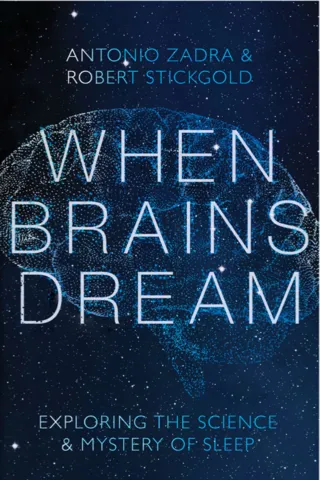
Couverture du livre "When Brains Dream"

"A comprehensive, eye-opening exploration of what dreams are, where they come from, what they mean, and why we have them."

Our research focuses on the scientific study of dreams
- including everyday dreams, nightmares and lucid dreams -
as well as on sleep terrors and sleepwalking.

Did you know?

Your brain can be just as active during sleep as it is when awake.

Want to read, watch and find out more about our work?

Visit these pages containing a wealth of information about dreams and sleep disorders

Publications

Science articles and book chapters.

Media

TV documentaries and other presentations.

FAQ

Frequently asked questions about dreams.

infolettre du Zadra Lab

Interested in new ideas and discoveries in the world of dreams?

Sign up for our newsletter which goes out every couple of months. You'll receive info on the latest research findings, books, and art-related projects focusing on sleep and dreams.

We respect your email privacy; we never send spam.

Random FAQ question

Do dreams have a function?

Excellent question! Although many dream researchers believe that dreaming has a biological or adpative function, some argue that dreams are merely a by-product (a sort of epiphenomenon) of basic neurophysiological activity occuring during sleep. That said, theories about the possible function of dreams abound. Among the most scientifically interesting ones are that dreams a) play a role in emotional regulation; b) help consolidate memories; and c) have an evolutionarily-based threat or social simulation function. In our recent book, When Brains Dream, Robert Sickgold and I propose that dreaming allows the sleeping brain to enter an altered state of consciousness in which it can construct imagined narratives and respond emotionally to them. While dreaming, the brain identifies associations between recently formed memories (typically from the preceding day) and older, often only weakly related memories, and monitors whether the narrative it constructs from these memories induces an emotional response in the brain. So the dreaming brain takes these associated memories and concepts and weaves them into a story—a narrative that plays out over time—where you, the dreamer, have the lead role. And it watches the 'you' in the dream react emotionally to the ongoing plot. It's your feelings in the dream that are critical. The brain's rule seems to be that if the story woven with this new association evokes an emotional response in the dreaming 'you', then it's worth keeping. Put differenlty, we thing that for the sleeping brain to explore possible new ways to think about the events of your day—to understand the meaning of what happened in your day and how to use that new understanding—you have to dream.

FAQ page

Antonio Zadra
SLEEP SCIENTIST, ONEIRONAUT, AUTHOR

Copyright © 2026 Antonio Zadra. All rights reserved